


Expert Quick Take: My Honest Opinion After Researching 4-Carat “Super-Stones”
In 2026, a 4-carat lab-grown diamond is the ultimate statement of luxury and financial intelligence. In my years behind the loupe, I’ve seen buyers spend over $60,000 for a natural 4-carat stone that looks identical to a lab-grown one costing roughly $3,500 to $6,000.
At this massive size, the diamond acts as a magnifying glass—meaning you cannot hide a poor cut or low clarity. My insider secret? In 2026, the “Sweet Spot” is an Excellent Cut paired with VS1 clarity; anything higher is a “paper premium” you can’t see with the naked eye.
Decision Snapshot: Which 4-Carat Path is Yours?
| If You Want… | Choose This Strategy | Mehedi’s Verdict |
|---|---|---|
| Maximum “Wow” Factor | Round Brilliant + Ideal Cut | The Disco Ball. Rounds have the most facets (58) to hide inclusions and maximize sparkle, even at massive sizes. |
| Sophisticated Luxury | Emerald Cut + VVS2 Clarity | The Clarity Trap. Step-cuts are unforgiving. At 4 carats, you must buy VVS2 to ensure the “Hall of Mirrors” is clean. |
| The Best Price-to-Size | Oval Cut + G-H Color | The Size Hack. Ovals have a larger “face-up” area, making a 4ct look like a 5ct for a lower price per carat. |
| Total Security | Platinum 6-Prong Setting | The Anchor. A 4ct stone is heavy. Platinum doesn’t “fatigue” or bend like gold, ensuring your rock stays on your finger. |
| The 2026 Size Verdict: As carat weight goes up, clarity becomes critical. In a 1-carat stone, you can’t see a VS2 flaw. In a 4-carat stone, that same flaw is a visible black spot. Upgrade your clarity if you go big. | ||
My Final Verdict: For a 4-carat investment, never buy blind. At this scale, even a “slight” inclusion can look like a black pepper spot.
I strictly recommend using James Allen’s 40x Super-Zoom HD Video to inspect the stone’s heart or Blue Nile for their elite curation of GIA-graded stones. If you are buying on Amazon, stick to IGI-certified stones with a clear 30-day return policy.
Deal Alert: Fast-Shipping Gifts — Up to 50% Off* fine jewelry at Blue Nile !
One In A Lifetime Sale: “Clear The Vault” – Get up to 70% OFF on select jewelry at Blue Nile !
Exclusive Offer: Flash Sale on James Allen Up to 40% Off * Sitewide engagement ring settings & Fine Jewelry at James Allen .
The fascinating concept of lab-grown diamonds is gaining momentum among admirers of fine jewelry throughout the world and specifically with 4 carat lab grown diamond.
These gorgeous stones come with the right quality and source responsibly without burning a hole in your pocket, which is why they are ideal for someone who is looking for their dream engagement ring or just wants a statement piece.
You can get the brilliance and beauty of conventional diamonds with lab-grown cones, without breaking your budget or going against what you believe in.
In this guide we will specifically talk about 4 carat lab grown diamonds including their size, value and some awesome tips to make a smart buy.
When you are looking around for the perfect stone, this guide will help you tell the difference between diamond and its equally mesmerizing alternatives.
Diamond IQ Test: Natural or Lab-Grown?
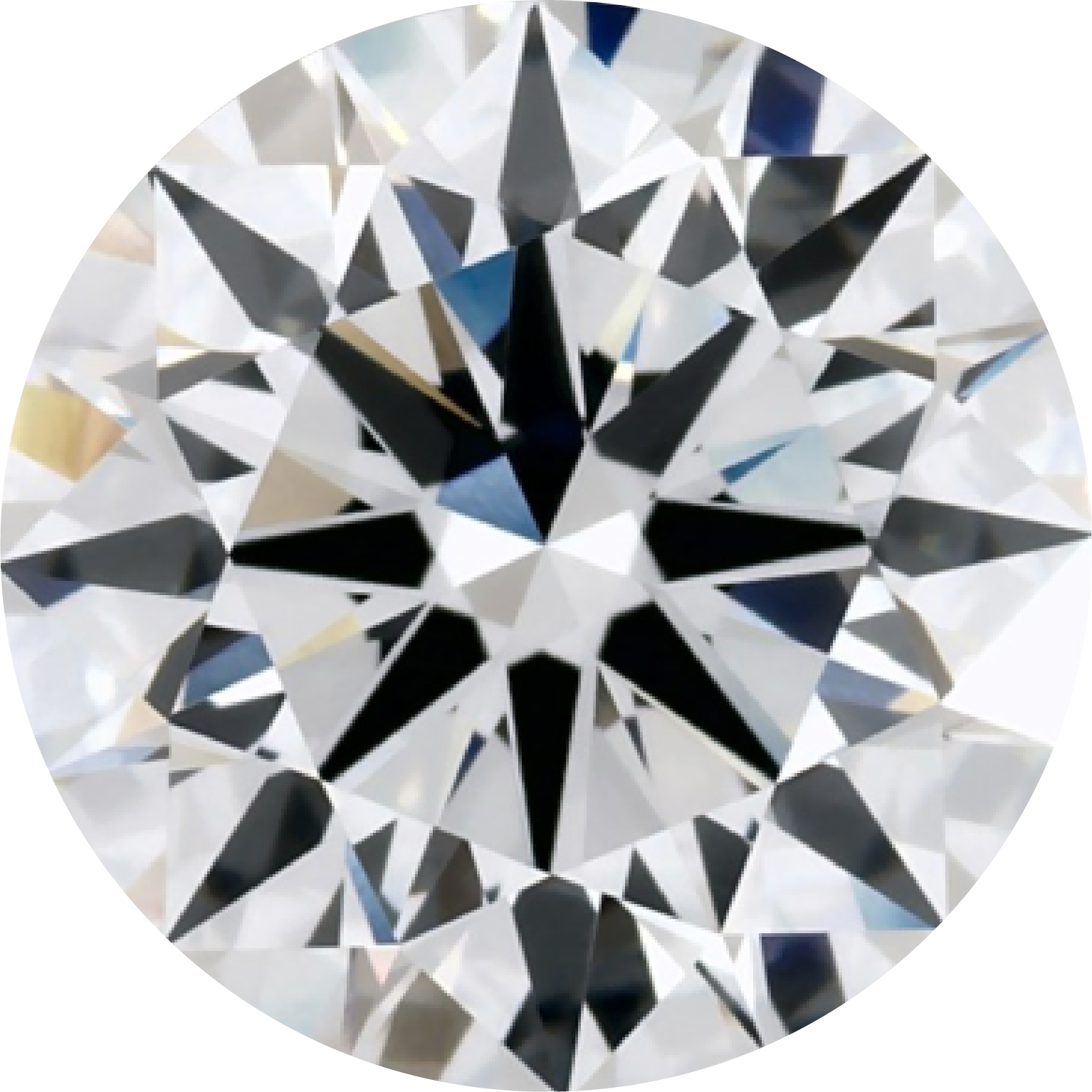
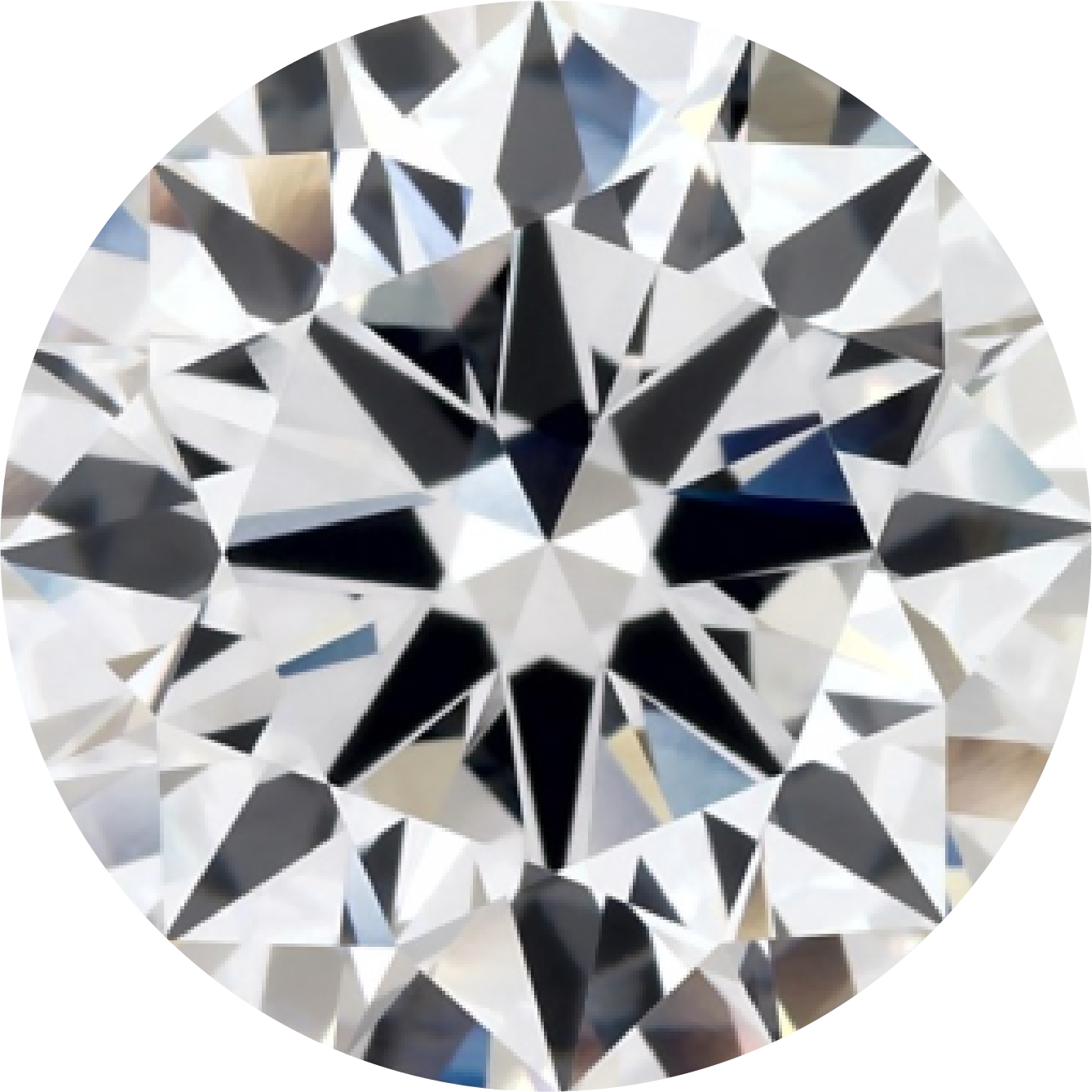
Two identical diamonds: GIA Certified, 1.51ct, D Color, VVS1, Ideal Cut. One is natural ($16,530), the other is lab-grown ($2,390). Choose the diamond you like better and see if you can match it to its origin.
If you want to learn more about this, make sure to read our complete guide to Moissanite vs Diamonds: What Is the Difference? and learn why everyone will love Eco-Friendly Moissanite Engagement Rings Over Diamonds.
What is a Lab Grown Diamond?
Created within controlled environments through technological advancements that replicate the process of diamond formation from nature, lab-grown diamonds (also known as synthetic diamonds)
In the most basic terms, these diamonds have identical physical, chemical and optical properties of mined diamonds but they are made without the need to dig things out of a mine. This is not just a more ethical route, but also offers the highest value to consumers.
Making of lab grown diamonds
How lab-grown diamonds are made There are two main ways to make a lab-grown diamond: High Pressure High Temperature (HPHT) and Chemical Vapor Deposition (CVD). Both ways create stones that are indistinguishable from naturally forming diamonds and mean these synthetic gems rate high quality.
Generally, it takes half 1-2 months in growing a lab-grown diamond the fastest one, which is still faster over millions of years as natural diamonds needed.
Key Benefits of Lab Grown Diamonds
- Value: Lab-grown diamonds are often priced at a significant discount of between 30-40% to their natural counterparts, thereby offering consumers the ability to buy larger (or refined quality) stones for less.
- Ethically Sourced: Buyers can eliminate the ethical issues surrounding traditional diamond mines by opting for laboratory-grown solutions, which makes them in line with what they believe when they make a purchase.
If you are purchasing it for an engagement ring only, then lab-grown diamonds have exactly the same brilliance and beauty. For any information on the benefits of other gems consider why Moissanite Diamond Engagement Rings Are Taking Over — How To Save Big If You Must Compromise! and then compare them to diamonds.
Or, take a deeper dive into the lab-created diamond features in our article on Where to Buy lab grown Diamonds with Dazzling Deals.
Understanding what lab grown diamonds are and in what way they are better than natural diamonds, you can now make a confident decision that speaks both to your style as well as the moral part of you.
Product Recommendations: Our Top Picks for 4 Carat Lab Grown Diamond
If you’re looking for the perfect 4 Carat Lab Grown Diamond ring, we’ve rounded up some of the best lab-grown options available. From stunning solitaires to halo settings that amplify sparkle, these picks offer luxury for less.
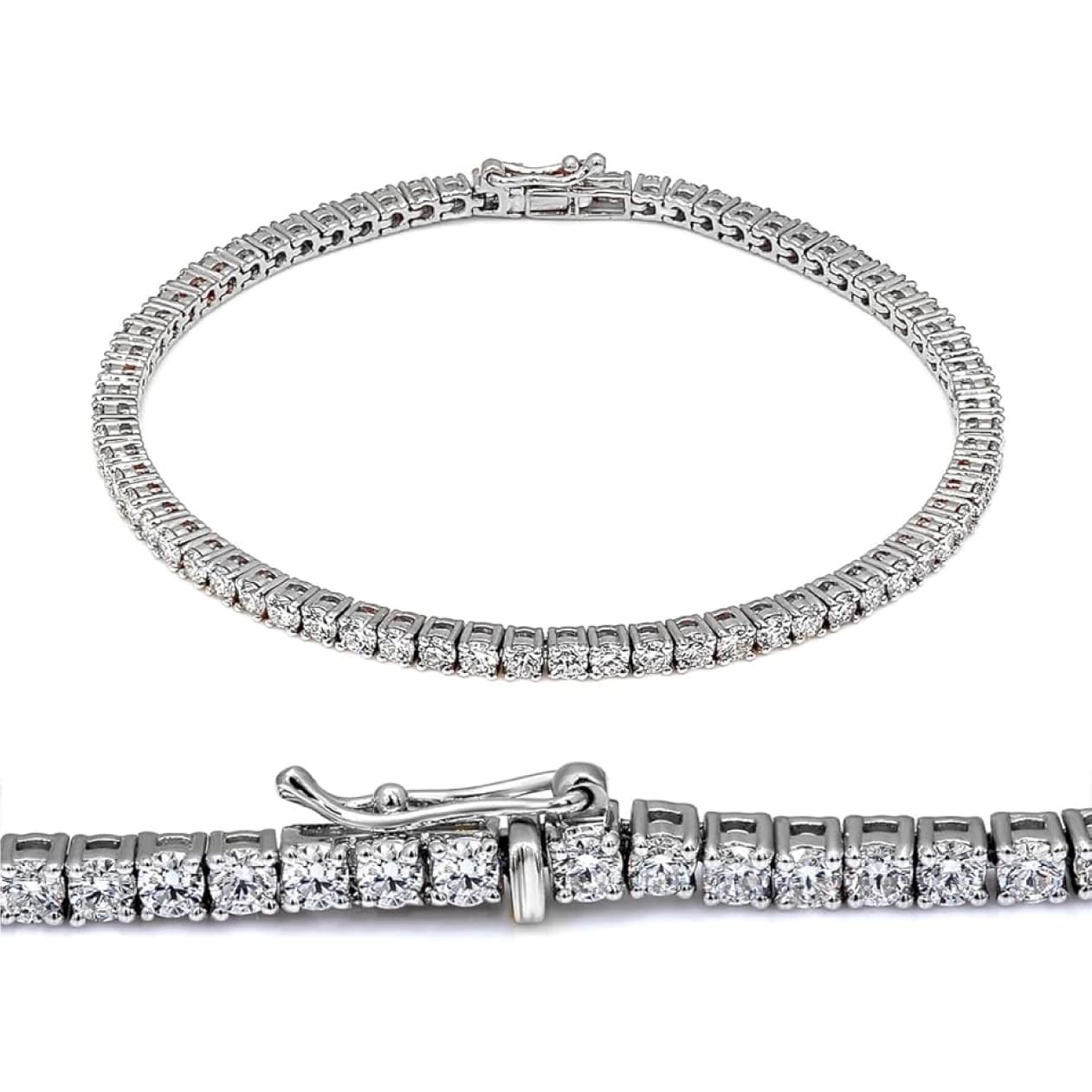
1. FRIENDLY DIAMONDS 4 Carat Lab Grown Diamond Tennis Bracelet in 14K White Gold
The FRIENDLY DIAMONDS 4 Carat Lab Grown Diamond Tennis Bracelet is a fabulous addition to any jewelry collection. Around the face brilliant lab developed precious stones weighing 4 carats include this arm-band, that is designed strong along with bright whitened gold.
These are G-H color and SI1 clarity diamonds that give them a sparkly quality. The interlock clasp closure secures the necklace, and the materials also make it safe for sensitive skin. Great for those special occasions or a daily luxury statement piece.
Elegant 4 carat lab grown diamond tennis bracelet in 14K white gold.
Pros:
✅ Features 4 carats of brilliant lab grown diamonds
✅ Made with 14K solid white gold for a luxurious touch
✅ Hypoallergenic and secure interlock clasp
Cons:
❌ Requires occasional cleaning to maintain its shine

2. Houston Diamond District 4 Carat Lab Grown 3 Stone Engagement Ring in 14K White Gold
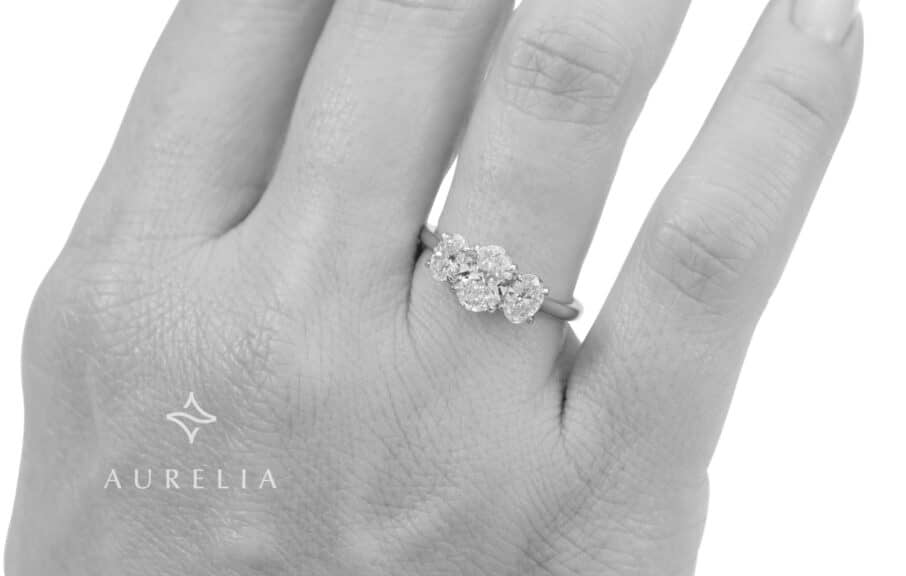
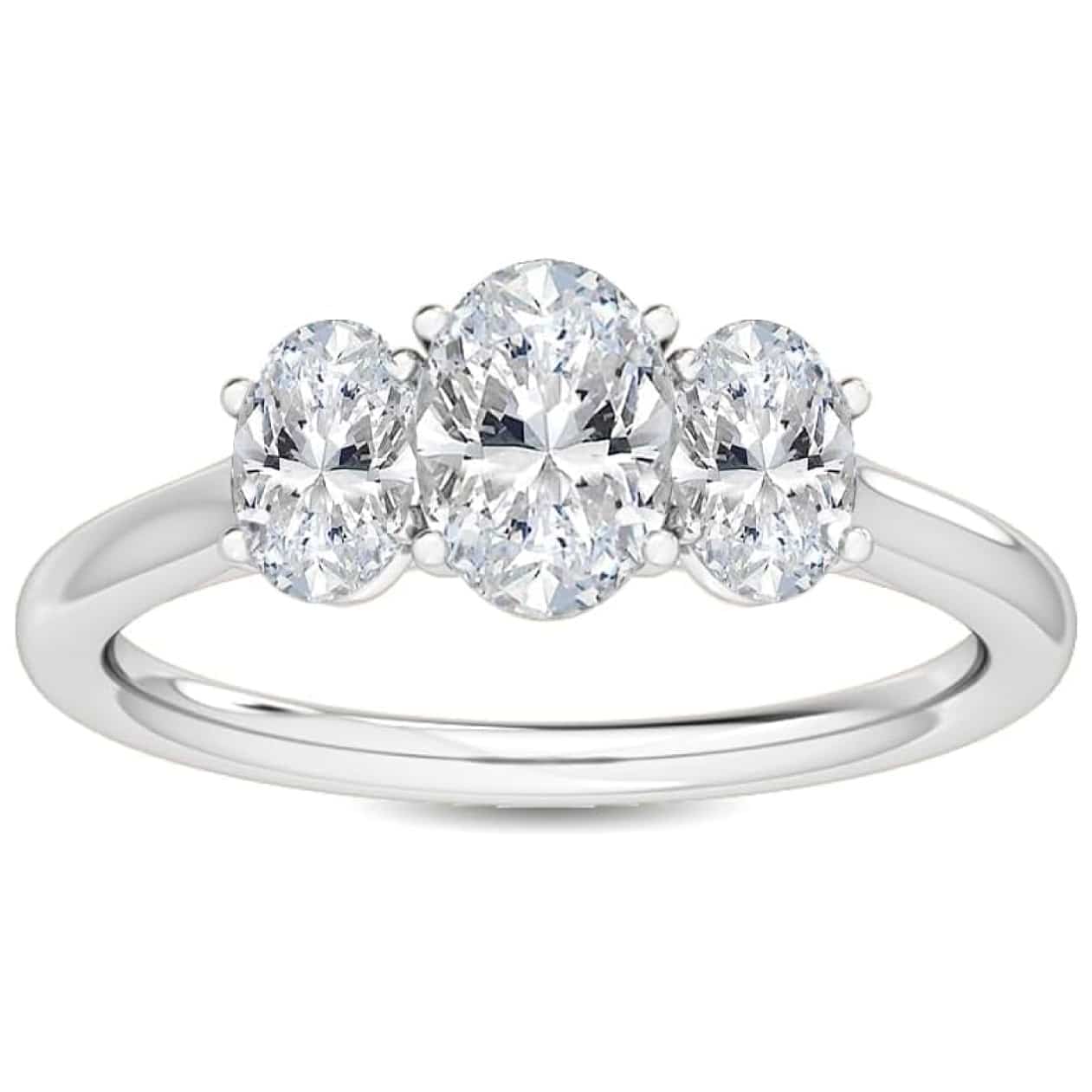
Which brings us to the Houston Diamond District 4 Carat Lab Grown 3 Stone Engagement Ring that screams luxury and timelessness perfect for any proposal. This 14K white gold ring, dazzles three round-cut lab grown diamonds ranging in color from D to E and clarity from VS1 to VS2 totaling 3 carats.
A beautifully presented ring in a box and is the ideal gift for engagements, annjsoniversaries or gifts. All stones are ethically and responsibly sourced to make you shine, guilt-free.
Classic 4 carat lab grown 3 stone engagement ring in 14K white gold.
Pros:
✅ Gorgeous three-stone setting for added brilliance
✅ Ethically sourced lab grown diamonds
✅ Comes in a beautiful presentation box
Cons:
❌ White gold may require occasional replating to maintain shine
3. Fascinating Diamonds 4 Carat Lab Grown Emerald Cut Eternity Wedding Band
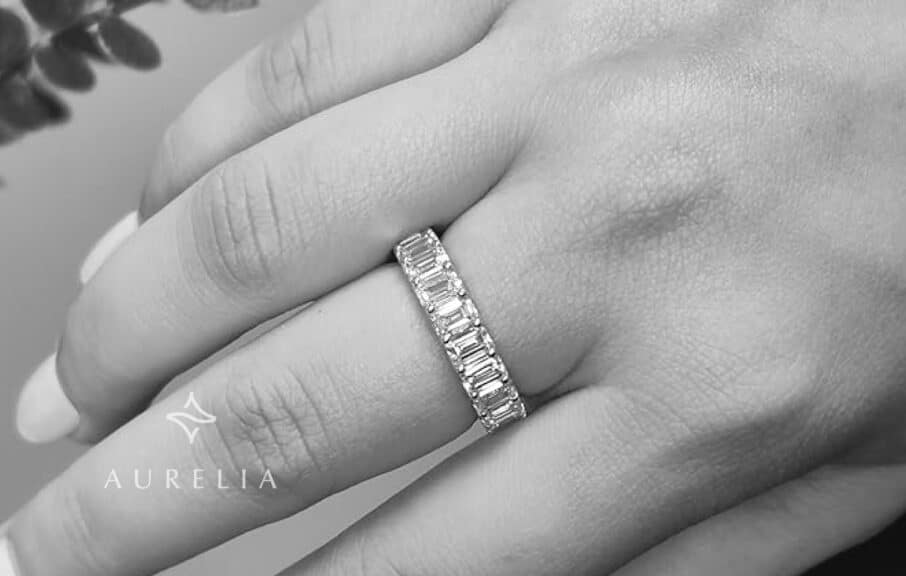
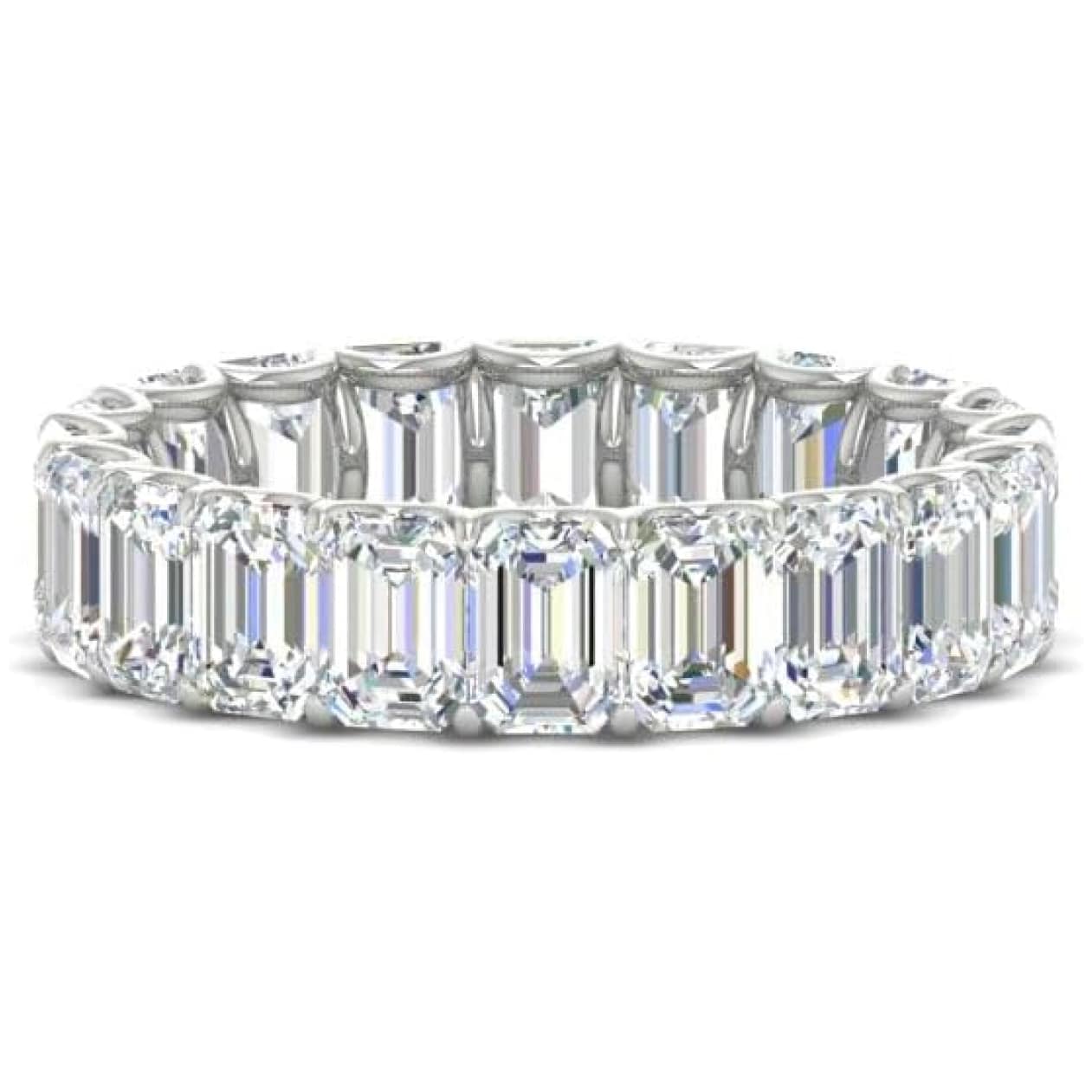
Fascinating Diamonds 4 Carat lab grown Eternity Wedding Band – This ring is a GORGEOUS representation of everlasting love. Crafted in 14K solid white gold, this band showcases 20 emerald-cut lab grown diamonds with H color & VS1 clarity diamonds at a total carat weight of 4.
Featuring individually selected diamonds to ensure they sparkle as brightly as possible, the beauty of these earrings is key to the bands being a complete circle. This is the best option for wedding, anniversary or any special occasion.
Elegant 4 carat emerald cut lab grown diamond eternity band in 14K white gold.
Pros:
✅ Features 4 carats of sparkling emerald-cut diamonds
✅ Crafted with 14K solid white gold for added durability
✅ Timeless and elegant eternity design
Cons:
❌ Emerald cuts may show inclusions more than other cuts
4. FRIENDLY DIAMONDS 4 Carat Lab Grown Diamond Solitaire Stud Earrings in Platinum
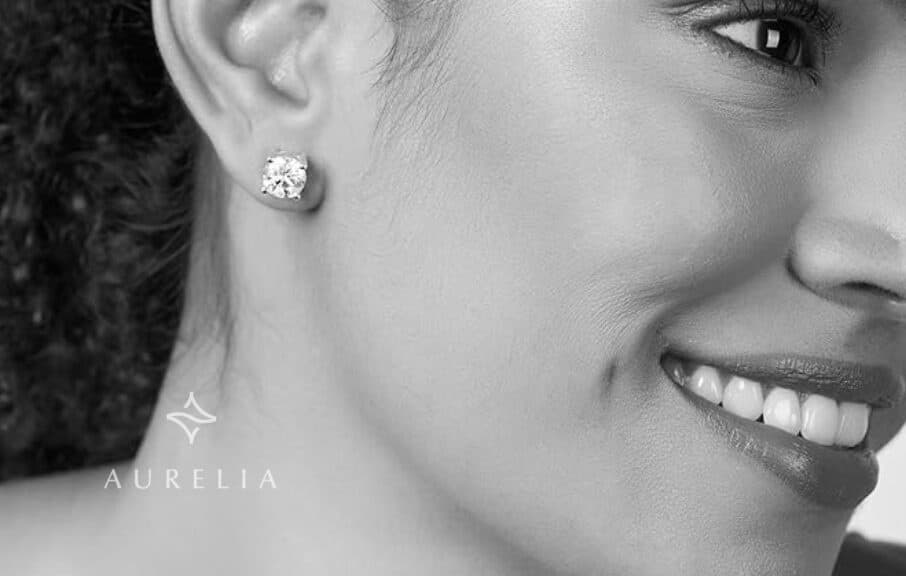
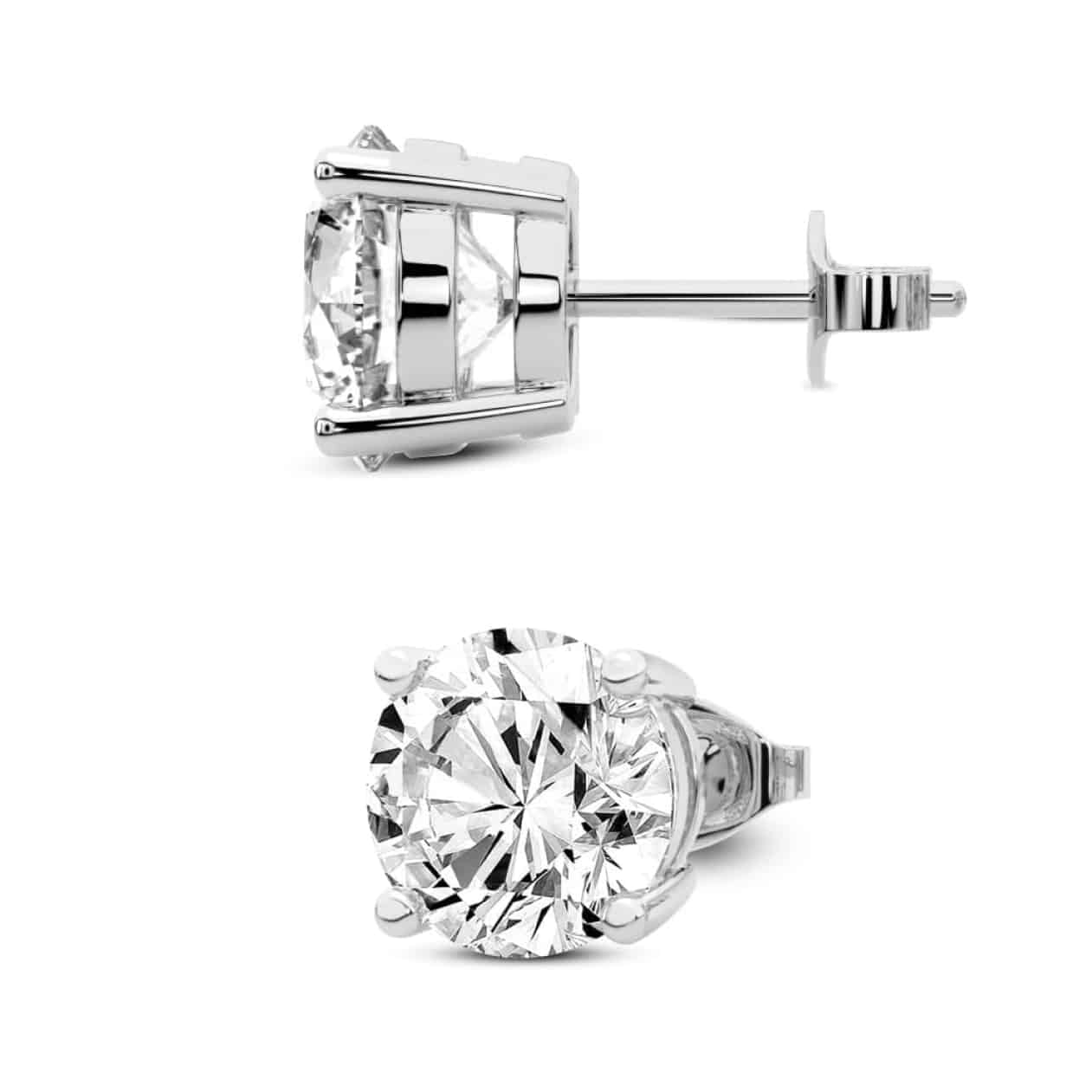
FRIENDLY DIAMONDS 4 Carat Lab Grown Diamond Solitaire Stud Earrings for a timeless elegance with a twist Impressions Platinum Earrings available in 4ctw Round Lab Created Diamonds set in a choice of metal; these examples feature an Oval Halo design with scallop hearts under the basket (E-F/VS).
Those gemstones are secured with a four-prong setting and each pair has push-back posts for comfortable wear. These are all ethically sourced & sustainably grown; A beautiful, delicate little studs for a valentine gift.
Stunning 4 carat lab grown diamond solitaire stud earrings in platinum.
Pros:
✅ Features 4 carats of brilliant lab grown diamonds
✅ Set in platinum for durability and luxury
✅ Ethically sourced diamonds for peace of mind
Cons:
❌ Platinum may be heavier than other metals
5. Charles & Colvard 4.41 Carat Lab Grown Moissanite Radiant Cut Engagement Ring in White Gold
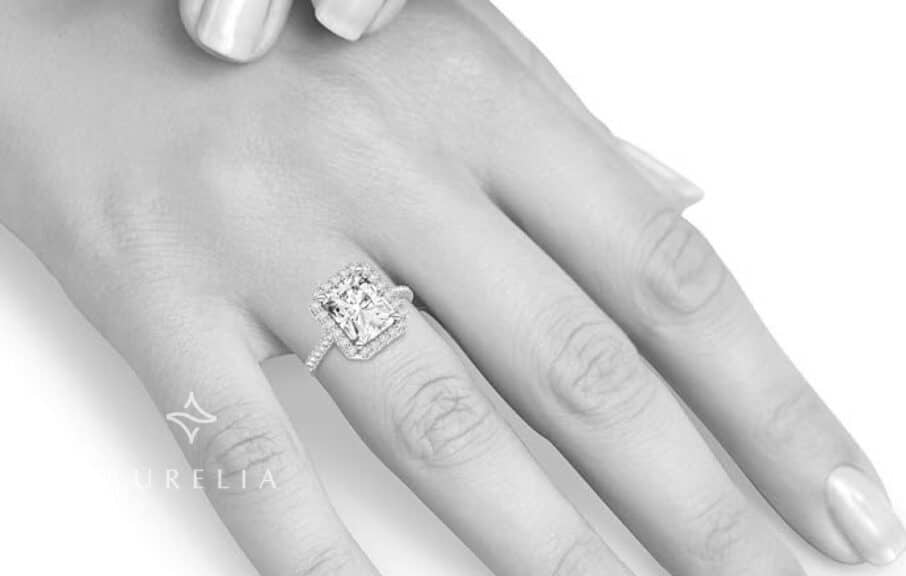
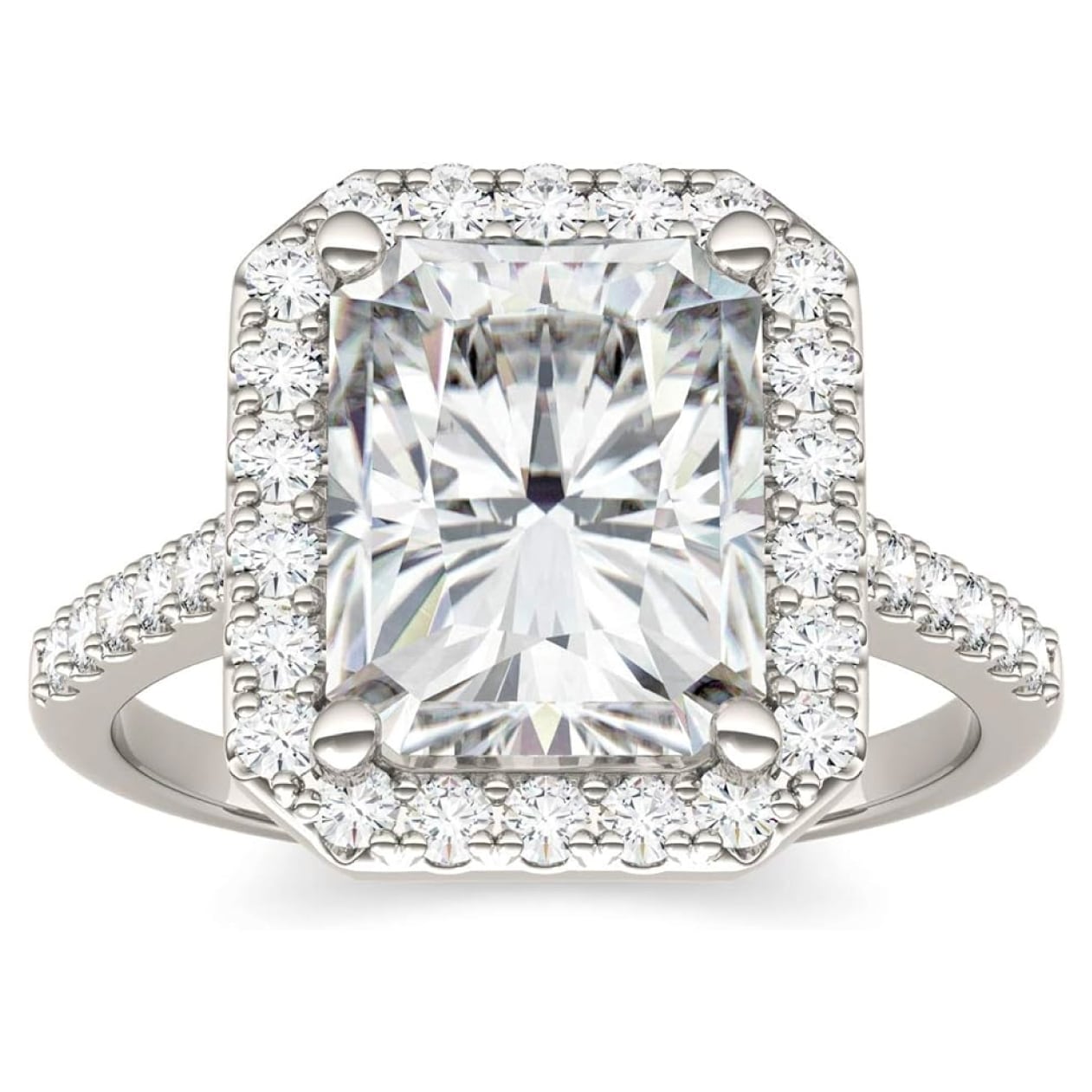
Another great ring in our group is the Charles & Colvard 4.41 Carat Lab Grown Moissanite Engagement Ring which is for anybody looking for a more luxurious option that is nonetheless affordable. This moissanite solitaire ring features a radiant cut moissanite secured in rhodium-plated solid 14K white gold.
An eco-friendly alternative to the traditional diamond engagement ring, with a total diamond equivalent weight of 4.41 carats. Band is well-designed and comfortable — great for daily wear or special occasions
4.41 carat radiant cut lab grown moissanite engagement ring in 14K white gold.
Pros:
✅ Features a stunning 4.41 carat radiant cut moissanite
✅ Eco-friendly and sustainable lab grown gemstone
✅ Durable rhodium-plated 14K white gold setting
Cons:
❌ None
Quality Comparison: Lab Grown vs. Natural Diamonds
Realistically, when it comes to the level of diamond quality one needs to compare lab-grown diamonds with natural diamonds. Both sparklers are known for their appearance, but how do they stack up against each other when it comes to physical properties and certifications?
Physical Properties
Lab-grown diamonds are eco-friendly alternatives that mimic the diamond formation process found in nature, but they’re created using advanced technology in controlled environments. Accordingly, these diamonds have the same hardness, fire, and chemical makeup as mined diamonds.
Lab grown and natural diamonds both have a perfect 10 score on the Mohs Hardness Scale, so they will be durable enough to wear under everyday conditions (such as engagement rings).
Certifications and Grading
Lab-grown diamonds are graded the same as their natural diamond counterparts by organisations such as the Gemological Institute of America (GIA) and International Gemological Institute (IGI). This grading measures the four Cs: includes cut, clarity, color and carat.
You will get a certification of the lab grown diamond authenticity with the attributes that you have clearly mentioned when buying it. Lab diamonds are of the same quality as real diamonds but generally cost about 30-40% less.
This affordability, in conjunction with ethical sourcing and environmental panacea — lab(our?) grown diamonds are increasingly intriguing to the contemporary consumer.
If you like alternatives that are not only beautiful but beautifully unique as well, make sure to head over to our 2 Carat Moissanite Earrings and Real Gem Necklaces which reveal the secret abilities of mysterious gemstones.
Here’s a more detailed table comparing lab-grown diamonds and natural diamonds, including additional characteristics:
| Characteristic | Lab-Grown Diamonds | Natural Diamonds | Mehedi’s Verdict |
|---|---|---|---|
| Mohs Hardness | 10 (Hardest) | 10 (Hardest) | Identical. Both are indestructible and safe for daily wear. |
| Chemical Composition | Pure Carbon | Pure Carbon | Identical. Even a jeweler cannot tell them apart without a $5,000 machine. |
| Price Comparison | 90-95% Cheaper | High Rarity Tax | The Deal. In 2026, a 3ct Lab is ~$2,200. A 3ct Natural is $40,000+. |
| Environmental Impact | Minimal / Renewable | High Disruption | Eco-Winner. Mining displaces ~250 tons of earth per carat. Labs use electricity. |
| Resale Value | Low / Negligible | 50-70% Retention | The Natural Win. Only buy Natural if you care about “Legacy” or resale value. |
| Grading Process | IGI / GIA Certified | GIA Certified | Certified Real. Both come with full reports grading the 4 Cs. |
| The 2026 Verdict: Unless you are buying an “Investment Piece” for resale, buy Lab-Grown. You get the exact same chemical stone for the price of the sales tax on a natural one. | |||
Sustainability and Ethical Considerations
Lab-created diamonds are grown in a lab environment and thus do not require any mining. In other words, they arrive without the negative externalities that often come with their traditional diamond exploitation (deforestation, habitat destruction).
Given everything that is required to produce high-quality diamonds, purchasing manufactured diamonds creates a demand on fewer natural resources and has a lesser local ecosystem impact.
These diamonds bring with them more than just an environmental up-side — as they require no mining at all from uncut victims of civil war. The dirt displacement potential of traditional diamond mining may exceed 1700 tons per carat, resulting in massive erosion contamination and environmental destruction over time. By comparison, lab-grown diamonds use up to 85% less water and energy.
Not only do they provide an ethical option free from the social concerns surrounding mined diamonds, they are also a superb choice for anyone looking to wear gemstone bracelets with sustainability at their core.
| Environmental Factor | Lab Grown Diamonds | Natural Diamonds | Mehedi’s Verdict |
|---|---|---|---|
| Water Usage | Up to 85% Less | Significant Consumption | The Desert Saver. Lab creation recycles water, whereas mining drains local aquifers. |
| Energy Usage | Up to 85% Less | High Requirements | The Carbon Footprint. Many labs now run on 100% renewable solar/wind energy. |
| Earth Displacement | None (Zero) | Over 1,700 Tons / Carat | The Scar. To find one carat, miners must blast and move 1,700 tons of earth. |
| Environmental Damage | Minimal / Negligible | Significant (Erosion) | The Legacy. Mining leaves massive holes visible from space and causes soil erosion. |
| The 2026 Eco-Verdict: Luxury shouldn’t cost the Earth. By choosing Lab-Grown, you save 1,700 tons of rock from being displaced. It is the only choice for the conscious modern buyer. | |||
Pros & Cons of Choosing a 4 Carat Lab Grown Diamond
There are several pros + cons of choosing a lab-grown 4-carat diamond. Knowing them will allow you to make a better decision if it makes sense for you or not, in getting a lab-grown diamond.
Pros
Lower Cost: When compared to a mined diamond of the same size, one of the most important advantages of choosing a 4-carat lab-grown diamond is the lesser cost. Luxury for a fraction of the price can come in the form of a 3 carat lab grown diamond by itself, or fit both additional size and bling desires with a 4-carat option while keeping your purchases under budget.
In addition, lab-created diamonds are created sustainably sourced so you can avoid the human and environmental abuse commonly associated with mining.
Another pro is availability. Because of the controlled nature whereby lab-grown diamonds are created, they have more avenues available to make higher carat sized stones versus what can be extracted from the crust.
It gives a consistent supply no matter whether you are thinking of diamond rings or amethyst pendant necklaces or any other beautiful piece of jewellery available as fine liquidation in Vancouver making sure that there is an always stoned ready when you wish to buy at your desired size.
Lab-grown diamonds are exact same hardness, sparkle and chemical properties as mined diamonds so it is impossible to tell the difference that they were grown in a lab just by looking at them.
Cons
But there are a few trade-offs to consider, too. However, one big downside is that synthetic lab-grown diamonds tend to have a lower resale value compared to most natural diamond varieties. Although a mined diamond can hold its value, or may even appreciate in value over time, lab-grown diamonds have no resale value and are not an investment like natural gems.
Additionally, some buyers do not find lab-grown diamonds to be “romantic” or as sentimental as naturally mined stones. The historical aspect, or the sheer rarity of natural diamonds may make a lab-grown diamond more disposable to individuals who prefer this.
If you hold value in your gemstone having a traditional story, then a mined option would obviously have more allure.
Pros and Cons Summary Table
| Aspect | Pros | Cons | Mehedi’s Verdict |
|---|---|---|---|
| Cost | Massive Savings. You pay ~$3,000 instead of $100,000+ for a mined equivalent. | Lower Resale. Like a TV or a car, you won’t get your money back when you sell. | The Wealth Hack. The $97k you save grows faster in the S&P 500 than any “investment diamond.” |
| Ethics | Guilt-Free. No mining, no displacement, no conflict funding. | Lacks traditional “romance” of billions of years of geology. | Modern Love. True romance is building a future together debt-free, not digging a hole. |
| Availability | High Inventory. Easier to find high-clarity (VVS) 4ct stones than in the natural market. | — | Choice Power. You can be picky. In the natural market, 4ct stones are so rare you take what you can get. |
| Physical Properties | Identical. Chemically, optically, and physically the same (100% Carbon). | — | Science Wins. If a jeweler can’t tell the difference without a machine, neither can your friends. |
| The 2026 Buying Verdict: Buying a 4-Carat Natural Diamond is financial suicide for most. Buying a 4-Carat Lab Diamond is a savvy flex. You get the millionaire look for the price of a used Honda. | |||
FAQ’s about 4 Carat Lab Grown Diamond
There are many questions potential buyers have when considering before buying a 4 carat lab grown diamond. These are the most frequent questions about it, and here you will find simple answers that will allow you to take a decision.
Is a 4 carat lab grown diamond a true diamond?+
Absolutely. Lab-grown diamonds are chemically, physically, and optically identical to natural mined diamonds. They are composed of pure carbon in a cubic crystal structure and forged using the same scientific principles that occur deep within the Earth. The only difference is their origin in a high-tech facility. Learn more about their certification in our guide to GIA certified synthetic diamonds.
What does a 4 carat lab grown diamond cost compared to mined?+
In 2026, the price gap has widened significantly. A 4-carat lab-grown diamond typically costs **70% to 90% less** than a natural stone of the same quality. While a natural 4-carat stone can exceed $90,000, high-quality lab builds are often under $8,000. For an even more affordable option, browse our colored engagement rings under $200. Check current 4ct pricing in our 4 carat diamond ring price guide.
Are lab made diamonds certified?+
Yes. Reputable lab-created diamonds are graded and certified by world-renowned organizations like the GIA and IGI. These certificates document the 4Cs—Cut, Clarity, Color, and Carat weight—with the same precision as natural stones. Find out which report is better for your investment in our diamond certifications guide.
Are lab created diamonds more ethical?+
Yes. Lab-grown diamonds are a conflict-free alternative that avoids the potential human rights abuses and high environmental impact of traditional mining. They provide a transparent supply chain for eco-conscious buyers. To see how they compare to other alternatives, read our comparison on simulated diamond vs moissanite.
Do lab grown diamonds have resale value?+
Generally, lab-grown diamonds have very low resale value, often selling for a small fraction of their original cost. Because production technology improves and costs drop, they are not considered financial “investments” like natural stones. For a deeper look at value retention, see our natural diamond resale value guide.
How do I know if it is a lab grown diamond or mined?+
Visually, they are indistinguishable even to most jewelers. Differentiation requires specialized laboratory equipment like a GIA iD100 to detect microscopic growth patterns. For absolute certainty, look for the laser inscription on the girdle, as explained in how to tell if a diamond is real.
What is the durability of a 4 carat lab grown diamond?+
Lab-grown diamonds have a **Mohs Hardness score of 10**, making them identical in durability to mined diamonds. They are the hardest material on Earth, resistant to scratching and perfect for daily-wear engagement rings. See how they stand up to pressure in our guide: what things are strong enough to break diamonds?.
Is a 4 Carat Lab Grown Diamond Right for You?
There is a range of reasons to choose a 4 Carat Lab Grown Diamond for anyone looking for luxury without sacrifice. They offer the same brilliance, sparkle and strength as mined diamonds, but with additional ethical and economical values.
Along with their much lower price tag, lab-grown diamonds offer excellent value and delivers a solution to one of the biggest woes of mined diamonds; responsible sourcing.
You can get the opulence of a 4 Carat Lab Grown Diamond without causing any environmental damage or forking out exorbitant costs, with lab-created diamonds.
It combines beauty, quality, and value, making it a compelling option for the modern, conscientious consumer.